Seoul Climate Card is best understood as a narrow family decision, not a generic Seoul tip.
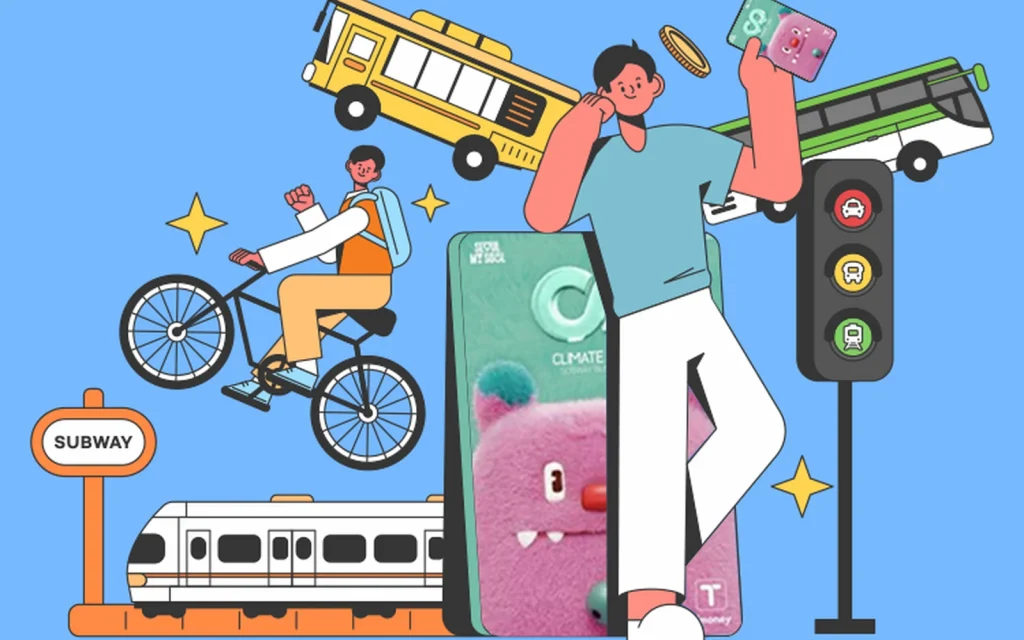
The Seoul Climate Card three-day tourist pass costs ₩10,000, but a first-time user who needs the physical card pays another ₩3,000. Against Seoul's ₩1,550 adult base subway fare, that ₩13,000 first-use total breaks even on the ninth base-fare ride. A traveler who already owns the reusable card reaches the pass price on ride seven.
The arithmetic is only the first gate. The pass must cover the modes and geography in the itinerary. Airport Railroad segments, routes outside the service area and some other transit products can keep charging separately even while a Climate Card is active.
In this guide
Fact lock: pass lengths and first-use cost
Seoul lists short-term Climate Card prices of ₩5,000 for one day, ₩8,000 for two days, ₩10,000 for three days, ₩15,000 for five days and ₩20,000 for seven days. A physical card costs ₩3,000 separately. The short-term period begins on the charging date, so buying and loading it too early can waste part of the validity window.
International credit-card support has improved access for visitors, but the exact sales and recharge location still matters. Confirm the machine or counter accepts the intended card before building a tight airport-to-city transfer around it.
Calculation: why first-time break-even is nine rides
At the adult base subway fare, eight rides cost ₩12,400 and nine cost ₩13,950. The first-time three-day Climate Card total sits between them at ₩13,000. That makes ride nine the first base-fare ride on which the pass total is lower.
An existing card changes the numerator to ₩10,000. Six base rides cost ₩9,300; seven cost ₩10,850. The frequently repeated seven-ride answer is therefore valid only when the reusable card cost is already sunk or excluded for a clearly stated reason.
| Case | Value | Cost | Boundary |
|---|---|---|---|
| 3-day pass only | ₩10,000 | 7th ride | Traveler already owns card |
| 3-day pass + new card | ₩13,000 | 9th ride | First-time physical-card user |
| Eight adult base rides | ₩12,400 | Below first-use total | Regular card still cheaper |
| Nine adult base rides | ₩13,950 | Above first-use total | Pass begins to win |
Coverage can defeat correct arithmetic
A break-even calculation fails if the planned ride is outside the Climate Card network. Map every airport, day-trip and late-night segment first. The card is designed around covered Seoul public transportation, not every rail or bus carrying a traveler through the region.
The practical test is route-by-route: mark a segment covered only after the official service map supports it. Leave uncertain airport and suburban legs as separate fares. This prevents a seemingly unlimited pass from masking a second transit budget.
K-TREND ORIGINAL ANALYSIS: itinerary density, not trip length
K-TREND ORIGINAL ANALYSIS: Three days in Seoul does not automatically favor the three-day pass. A museum-heavy itinerary with two rides a day may cost less with a regular transportation card. A hotel far from the day's cluster can create four to six daily rides and move the result quickly.
Count planned boardings, not destinations. A transfer handled inside the fare system is not the same as exiting and starting another ride. Use the conservative base-fare comparison first, then add distance surcharges only when the specific route is known.
A family calculation needs age-specific fares
Adults, teenagers and children do not share one Seoul subway price. A family should compare each traveler separately, because a child paying ₩550 per base ride needs far more trips to recover a full-price short-term pass. A pass that works for two adults may be poor value for a child.
Do not multiply the adult break-even by the number of people. Build one row per traveler, then add the chosen products. Children under six may travel free under stated conditions, which makes an adult-only pass decision even more likely.
| Case | Count or route | Cost | Meaning |
|---|---|---|---|
| Adult | ₩1,550 | 9 rides | First-use comparison |
| Teen | ₩900 | 15 rides | Age and card rules apply |
| Child | ₩550 | 24 rides | Adult pass logic does not transfer |
| Under 6 | Often free | No pass break-even | Conditions and guardian limit apply |
EDITORIAL EVALUATION: buy only after the route audit
EDITORIAL EVALUATION: The three-day Climate Card is strongest for an adult staying inside Seoul with at least nine first-use base-fare rides and no costly uncovered detours. It is also convenient for travelers who value not watching the stored-value balance.
It is weak for a low-ride itinerary, a child priced at the lower fare, or a trip dominated by airport and suburban segments. Convenience has value, but it should be named rather than hidden inside a false claim that unlimited always means cheaper.
Conditional outlook: one fare revision moves the threshold
Conditional outlook: Transit fares and pass prices can change. Recalculate by dividing the total pass-and-card cost by the current comparable single fare, then round up to the next whole ride. Recheck coverage at the same time; a price update is not the only rule that can move value.
If mobile versions or sales channels expand, the separate ₩3,000 physical-card cost may no longer apply to every visitor. Keep first-time and repeat-user thresholds separate until the purchase route is confirmed.
Purchase-day checklist
Do not charge a short-term pass days before use. Bring the payment method intended for the selected sales point, save the official coverage page, and list every planned non-Seoul or airport segment. After purchase, keep the physical card because it can change the economics of a later visit.
Families should pair this calculation with the Seoul child-fare guide below. Travelers landing at Incheon should compare AREX separately rather than assuming the Climate Card settles the airport leg.
Seoul Climate Card decision worksheet
Build the ride count from a real itinerary. A morning trip from the hotel to a palace is one boarding; a later move to a different neighborhood is another; returning to the hotel is a third. Do not inflate the count by treating every line change inside a paid transfer as a new fare. Conversely, leaving a station for lunch and reentering later is a new ride.
Make a second column for uncovered travel. Incheon Airport, a Suwon day trip or a suburban attraction may require separate products or fares. Keeping those legs visible prevents the unlimited label from spreading beyond the network that accepts it.
Time has value, but the Climate Card is not automatically the fastest purchase for every arrival. A traveler landing late may spend more time locating a sales point than the first night's rides justify. Starting a short-term pass the next morning can preserve a full day, provided the airport transfer is paid separately.
For a family, allow mixed products. Two adults can use three-day passes while a lower-fare child uses a properly registered transportation card. Uniformity feels simpler, yet it may cost more. One short note in the itinerary—who carries which card—solves most of that complexity.
Keep the receipt and the physical card after the trip. The card's ₩3,000 purchase cost is sunk on a future visit, which lowers the three-day break-even from nine rides to seven at today's adult base fare. That difference is exactly why first-use and repeat-use advice should never be merged into one number.
Recheck the Seoul Climate Card figures against the linked official page on the travel date; this article records the September 5, 2026 decision baseline.
Related K-Trend family guides
Official Seoul Climate Card sources and scope
The Seoul Climate Card record above is a current decision baseline, not a permanent price, schedule, eligibility or operating promise.
Information checked September 5, 2026. Prices, schedules, eligibility and operating conditions can change. This article offers original planning analysis, not a firsthand visit claim, legal advice or a guarantee of admission, refund or service.