I spent three consecutive Saturdays wandering around Seongsu-dong last month, and honestly, each visit felt like stepping into a completely different neighborhood. A pop-up that was there on week one had vanished by week three, replaced by something entirely new. That rotating energy is exactly what makes this district Seoul’s most addictive shopping destination right now.
Why Seongsu-dong Became the Pop-up Capital of Korea
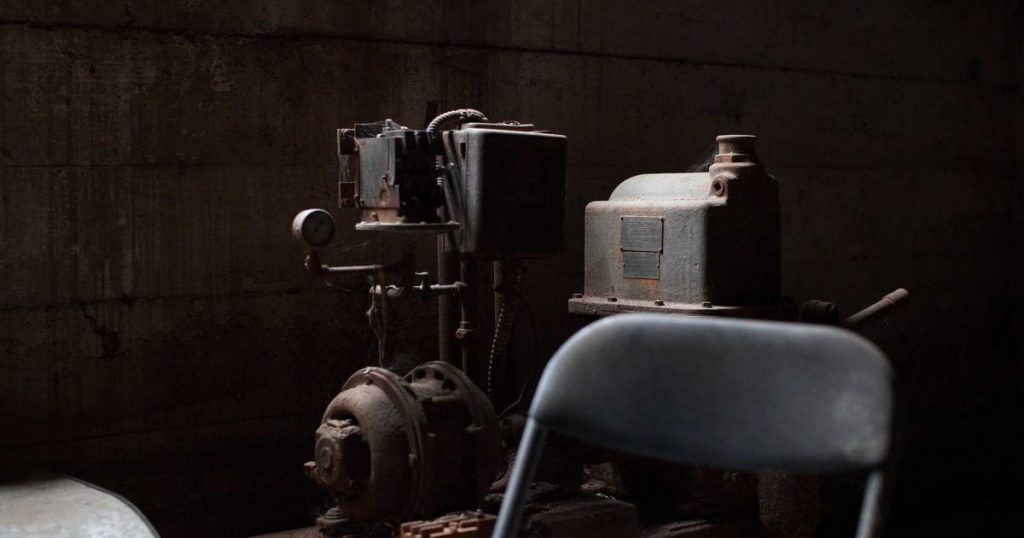
The area around Seongsu Station (Seoul Metro Line 2) used to be an industrial zone filled with shoe factories and printing workshops. Some of those old factories are still standing — but they’ve been gutted and rebuilt into massive pop-up venues with raw concrete walls, exposed steel beams, and the kind of industrial-chic aesthetic that photographs like a dream. Brands figured this out around 2019, and the snowball hasn’t stopped rolling since.
The economics make sense too. Renting a permanent storefront in Gangnam or Myeongdong costs a fortune. A two-week pop-up in Seongsu? A fraction of that. And because the audience skews young (mostly 20s and 30s), fashion-conscious, and extremely active on Instagram and TikTok, the marketing ROI is insane. A single well-designed pop-up can generate more social media impressions than months of traditional advertising.
The Pop-up Hotspots You Need to Know
Most of the action happens in a roughly 15-minute walking radius from Seongsu Station Exit 3. Here’s how I’d break down the geography:
Yeonmujang-gil (연무장길)
This is the main artery. Walking down Yeonmujang-gil, you’ll find the highest concentration of pop-ups, cafes, and converted warehouse spaces. Major brands like Gentle Monster, Tamburins, and Nudake all have permanent flagship stores here that feel like pop-ups themselves — Gentle Monster’s Seongsu location rotates its entire interior concept every few months. Their dessert brand Nudake operates on the same floor, and the line for their camouflage cakes regularly wraps around the block.
Seoulsup-gil (서울슲길)
The area closer to Seoul Forest tends to attract lifestyle and outdoor brands. I’ve seen pop-ups from The North Face, Arc’teryx, and Patagonia in this stretch. The vibe is slightly more relaxed, and on weekdays you can actually browse without fighting crowds. The proximity to Seoul Forest means you can combine shopping with a walk through the park — something I genuinely recommend if the weather cooperates.
Seongsu Industrial Road Area
The backstreets behind the main roads are where you’ll stumble onto the smaller, scrappier pop-ups. These tend to be from indie Korean brands, emerging designers, or K-beauty labels doing limited-edition launches. I found a Matin Kim archive sale in a tiny converted garage space last November — 30% off previous season pieces, no promotion, no Instagram posts. You just had to be there.
Recent Pop-ups That Made Noise
Pop-ups rotate constantly, so any specific list becomes outdated fast. But these are examples of the scale and quality you can expect:
- Dior ran a massive pop-up in a converted warehouse near Ttukseom Station in late 2024, complete with a full cafe and photo exhibition. The wait time on opening weekend was over two hours.
- Samsung Galaxy regularly takes over large spaces for product launches, turning them into interactive playgrounds with free customization services.
- Ader Error has done multiple Seongsu pop-ups for collection launches, often featuring art installations that have nothing to do with clothing but everything to do with brand building.
- Nike set up a “Move to Zero” sustainability pop-up featuring recycled sneaker displays and customization workshops.
- Aesop opened a temporary space emphasizing their fragrance line, styled like a minimalist Korean hanok interior.
The best way to find current pop-ups is checking Instagram hashtags like #성수동팝업 or #seongsu_popup, or the Korean app Popup Store (yes, there’s literally an app for tracking them). Naver Blog searches for “성수동 팝업스토어” also work well.
The Cafe Situation
I need to talk about the cafes because they’re inseparable from the Seongsu shopping experience. The density of specialty coffee shops here rivals any neighborhood I’ve been to anywhere in the world, and I’m including Melbourne and Portland in that comparison.
Onion Seongsu (양파) is probably the most photographed cafe in the district — it’s inside a restored factory with crumbling walls left intentionally untouched. Their pandoro bread is genuinely excellent, not just Instagram bait. Mesh Coffee is where the serious coffee people go; they rotate single-origin beans weekly. Cafe Mula serves some of the best flat whites I’ve had in Seoul, period.
Most people follow a pattern: arrive around 11am, hit a cafe first, then wander the pop-ups until early afternoon, grab lunch at one of the many restaurants along Yeonmujang-gil, then do a second round of browsing. This is the rhythm of Seongsu. Don’t fight it.
Permanent Stores Worth Visiting
Not everything in Seongsu is temporary. Several brands have established permanent flagships that are destinations in their own right:
- LCDC Seoul — a multi-brand concept store in a gorgeous converted space. They stock a curated mix of Korean and international brands, with a focus on contemporary design.
- Point of View (P.O.V.) — a select shop carrying brands like Lemaire, Our Legacy, and Auralee alongside Korean designers.
- Musinsa Standard — the offline store from Korea’s biggest fashion platform. Great for basics and seeing Musinsa-exclusive collabs in person before buying.
- Ader Error Flagship — their permanent space is as much an art gallery as a store. The fitting rooms alone are worth the visit.
Practical Information
Getting There
Take Seoul Metro Line 2 to Seongsu Station (Exit 3 or 4). From Gangnam, it’s about 20 minutes. From Myeongdong, transfer at City Hall and it’s roughly 30 minutes total. You can also take a taxi from most central Seoul locations for under 10,000 KRW (≈$7 USD).
Best Times to Visit
Weekday afternoons (Tuesday through Thursday) are the sweet spot for actually enjoying yourself. Saturday afternoons between 2-5pm are a zoo — some pop-ups have entry queues that stretch 30 minutes or more. Sunday mornings are decent if you arrive before noon.
Budget
Most pop-ups are free to enter, though some require online reservations (usually through Naver or the brand’s Instagram). Cafe drinks run 5,000-8,000 KRW. Lunch at a decent restaurant is 12,000-20,000 KRW per person. If you’re planning to actually buy things at pop-ups, bring flexibility — limited-edition items can range from 30,000 KRW for accessories to 300,000+ KRW for outerwear and designer pieces.
What to Wear
This sounds like a strange tip, but Seongsu has a very specific energy. People dress intentionally here. You don’t need to be decked out in designer gear, but a clean, put-together outfit will make you feel more at home than showing up in hiking clothes and a fanny pack. The area is essentially a runway for Seoul street style, and the people-watching is half the entertainment.
My Honest Take
Seongsu-dong is simultaneously the most exciting and most exhausting shopping experience in Seoul. The constant rotation means there’s always something new, but it also means you’ll inevitably miss things. I’ve learned to stop trying to see everything and instead just enjoy whatever I stumble into. The neighborhood rewards curiosity more than planning. Wander into a random alley, peek into a building with an interesting facade, follow the crowd into a space you didn’t know existed. That’s how the best Seongsu days happen.
You Might Also Like
- As Seen on TV: Where to Buy the Exact Outfits from Queen of Tears & Singles Inferno
- K-Pop Airport Fashion: How to Copy the Look
- Hongdae vs Gangnam: Style Differences Explained
- Korean University Varsity Jackets (Gwazam) Explained
One last thing: bring a portable charger. Between the Instagram stories, the KakaoMap navigation, and the inevitable group chat updates about what you’re finding, your phone battery will not survive a full Seongsu day without backup power.